Kraków in the footsteps of Jan Matejko — 10 places for a walk
Jan Matejko, one of the greatest painters in Polish history, spent almost his entire life in Kraków. Walking around the city, it’s easy to come across places linked to him and see his works with your own eyes. Here are 10 stops for a walk in Matejko’s footsteps — from the Old Town to Nowa Huta.
1. Academy of Fine Arts (13 Jana Matejki Square)
Start on the square opposite the Barbican. This is where the school that became independent as the School of Fine Arts in 1873 stands — Matejko was its first director and held the post until his death in 1893. Today both the academy and the square bear his name.
2. St Florian’s Gate
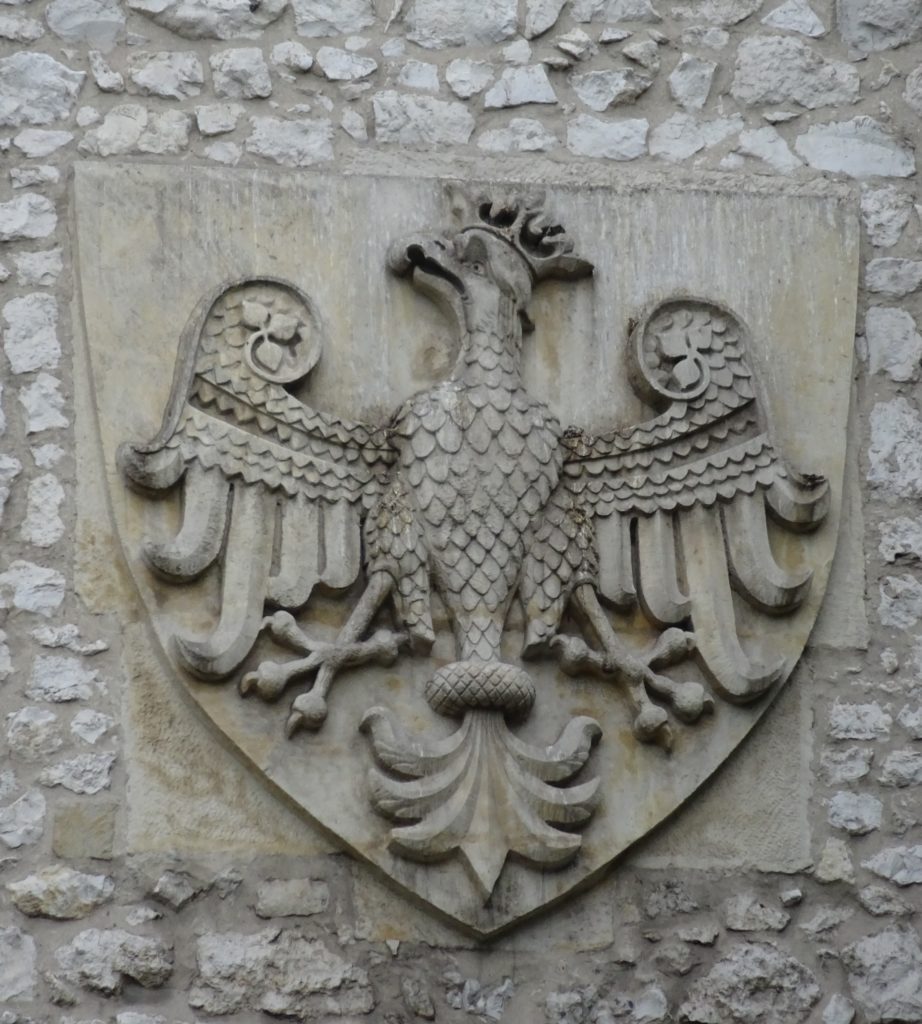
The medieval gate with its tower, where Floriańska Street begins, is one of Kraków’s symbols. On the side facing the Planty park hangs a relief of the Piast eagle, made by Zygmunt Langman to Matejko’s design.
3. Jan Matejko Monument (Planty)
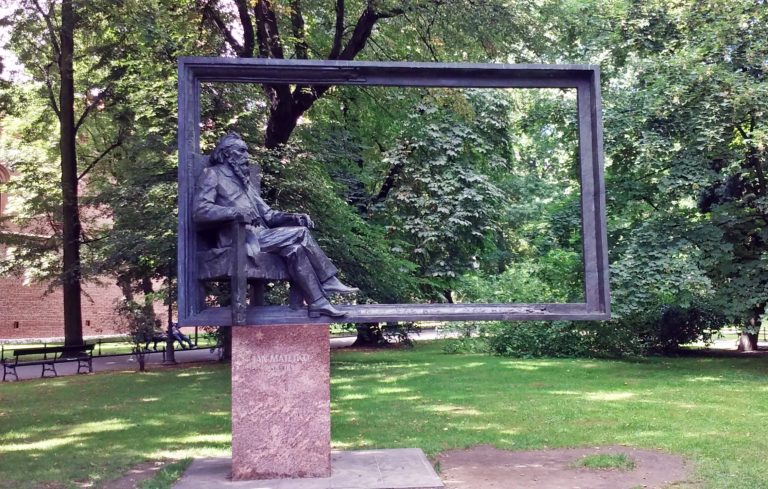
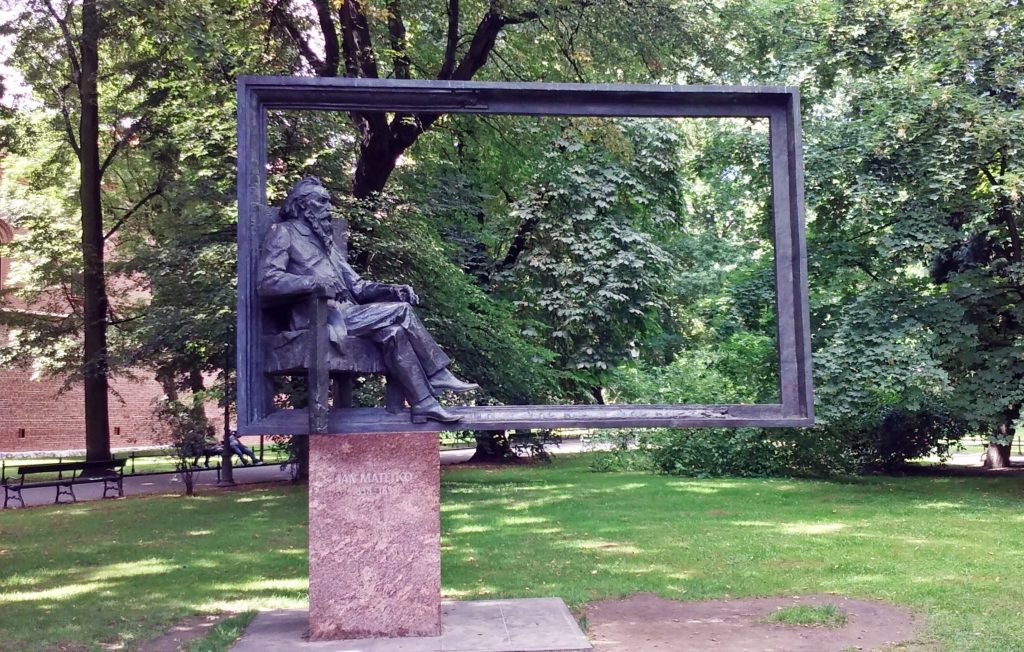
In November 2013 a monument to the painter by Jan Tutaj was unveiled in the Planty park on Basztowa Street, west of the Barbican.
4. Jan Matejko House (41 Floriańska Street)
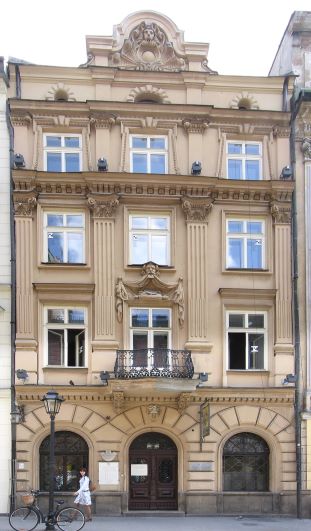
Matejko was born and worked in his family home on Floriańska Street. After his death the Jan Matejko Society bought the house, and in 1898 it opened to visitors. Since 1904 it has been a branch of the National Museum in Kraków. Inside you’ll see the artist’s paintings and sketches, letters, photographs and his collections, including arms and old books. The museum is open Tuesday to Sunday (closed on Mondays); on Tuesdays admission to the permanent exhibition is free.
5. St Mary’s Basilica (5 Mariacki Square)
When the renovation of St Mary’s Basilica began in 1889, Matejko designed the new wall paintings free of charge — the polychrome you still see today. The work lasted until 1891, and his students Stanisław Wyspiański and Józef Mehoffer were among those who transferred his designs onto the walls. The painter’s funeral Mass was held in the same church in November 1893.
6. Gallery of 19th-Century Polish Art in the Cloth Hall
The gallery on the upper floor of the Cloth Hall is the oldest branch of the National Museum in Kraków. Matejko’s monumental canvases „The Prussian Homage” and „Kościuszko at Racławice” hang in the Siemiradzki Room, and the gallery also displays his „Wernyhora”.
7. Palace of Art (4 Szczepański Square)
The Palace of Art, built in 1901, is home to the Society of Friends of Fine Arts and a gallery. On the façade facing Szczepański Square you’ll see a bust of Matejko by Antoni Madeyski.
8. Jan Matejko Manor in Krzesławice (25 Wańkowicza Street)
The painter bought this old Polish manor house in 1876 with money from the sale of his painting „Batory at Pskov”, rebuilt it to his own design and set up a studio there. Today the manor belongs to the Society of Friends of Fine Arts and is dedicated to Matejko and Hugo Kołłątaj. It’s open on Fridays, Saturdays and Sundays, and on Mondays by appointment.
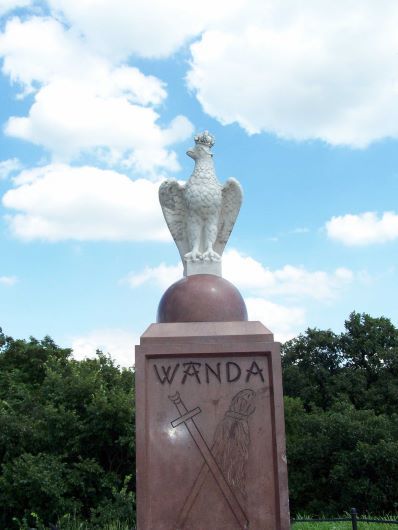
9. Wanda Mound
Wanda Mound in Nowa Huta is one of Kraków’s five mounds, linked to the legend of the princess who refused to marry a German prince. Since 1890 its summit has been crowned by a monument designed by Matejko: a plinth with the inscription „Wanda” and a sword relief, topped by an eagle. The one on the mound today is a replica — the original eagle is on display at the Museum of Kraków’s „Nowa Huta 1949+” exhibition.
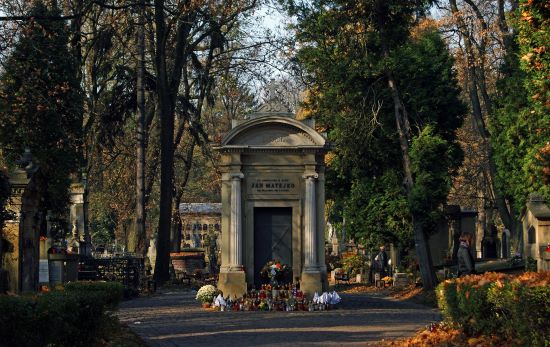
10. Jan Matejko’s Tomb (Rakowicki Cemetery)
Jan Matejko died on 1 November 1893, aged 55. The Sigismund Bell, rung only on the most important occasions, tolled during his funeral. End your walk at his chapel-like tomb on the main avenue of Rakowicki Cemetery.
Where to stay in Kraków
The closest base to the start of the walk is Best Western Plus Kraków Old Town at 6 Świętej Gertrudy Street, right by the Planty park, about 500 m from the Main Square. For a more atmospheric alternative, try Hotel Regent in a historic townhouse in Kazimierz.
Updated in October 2026.