Facts & stories
Fires at Wawel — when the royal residence suffered most
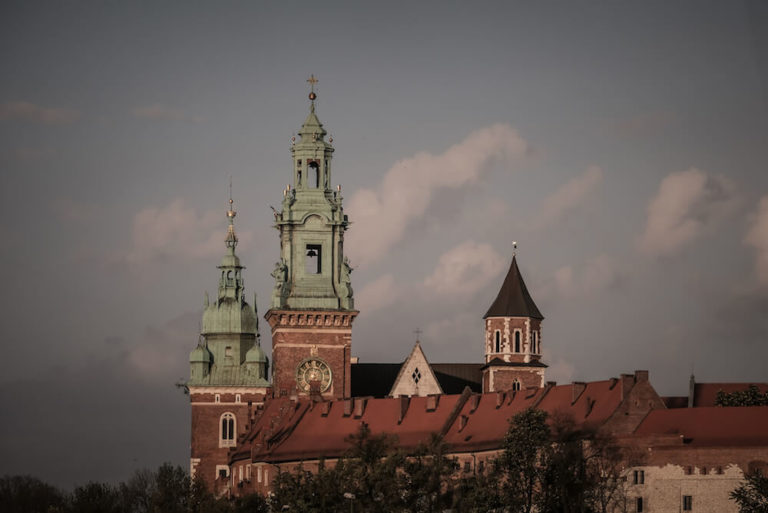
Fires at Wawel: 1305, 1499, 1536, 1595 and 1702 — what burned, the Sendivogius legend and the worst disaster in the castle’s history, caused by Swedish soldiers’ fires.
We use cookies: essential ones to run the site and, with your consent, analytics cookies (Google Analytics). Details in our privacy policy (in Polish).
Facts and stories about Kraków — history, legends and little-known details about the city and its people.
20 articles
Fires at Wawel: 1305, 1499, 1536, 1595 and 1702 — what burned, the Sendivogius legend and the worst disaster in the castle’s history, caused by Swedish soldiers’ fires.
The curse of Casimir IV Jagiellon: the 1973 opening of the royal tomb at Wawel, a series of sudden deaths and the Aspergillus flavus hypothesis.
Piwnica pod Baranami since 1956: Skrzynecki, Demarczyk, Wodecki, Grechuta, Turnau, Awdiejew and its composers — plus the 70th anniversary in 2026.
The Wawel chakra: where tourists look for the “power stone”, where the legend comes from (1935, “Lotos”) and why the Royal Castle asks visitors not to touch the wall.
Famous people from Kraków: artists, actors, musicians, scientists and athletes born in the city, plus its honorary citizens — from Matejko to Szymborska.
Influencers and musicians linked to Kraków: Friz and Ekipa, the Genzie group, Bletka, Viki Gabor and Kukon — young creators shaping the city’s culture today.
The Tatar invasions of Kraków: the burning of the city in 1241, its capture in 1260 and the successful defence of 1287 — plus the hejnał, the Lajkonik and the Maiden Rocks.
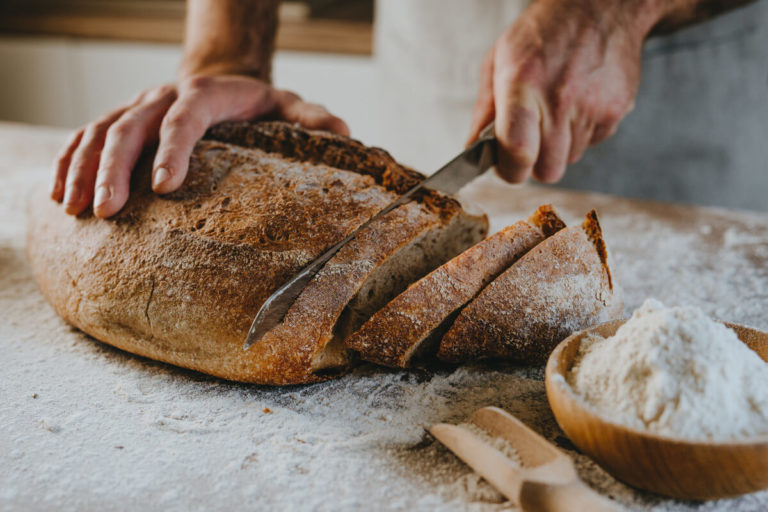
Prądnik bread: a 4.5 or 14 kg rye-sourdough loaf, EU-protected since 2011. Its history since 1421, how to recognise it and where to buy it in Kraków.
Mayors of Kraków since 1989 — a chronological list from Salwa to Gibała, Majchrowski’s record, the 2026 referendum and the history of the office since 1792.
The origin of the name Kraków: the oldest records, “Krak’s town” and Kadłubek’s ravens — plus places with similar names, from Czech Krakov to Krakow in the USA.
Kraków lies between 188 and 383 m above sea level. Where are the city’s highest and lowest points, how high are Wawel and the Old Town, and is Kleparz higher than Podgórze?
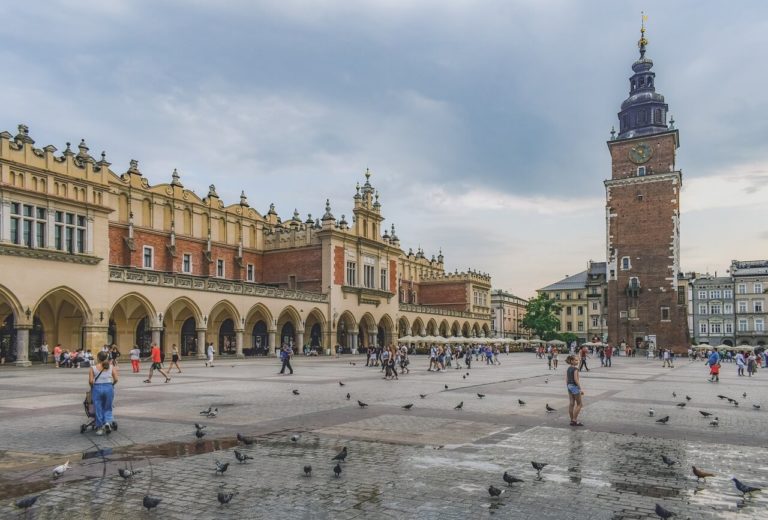
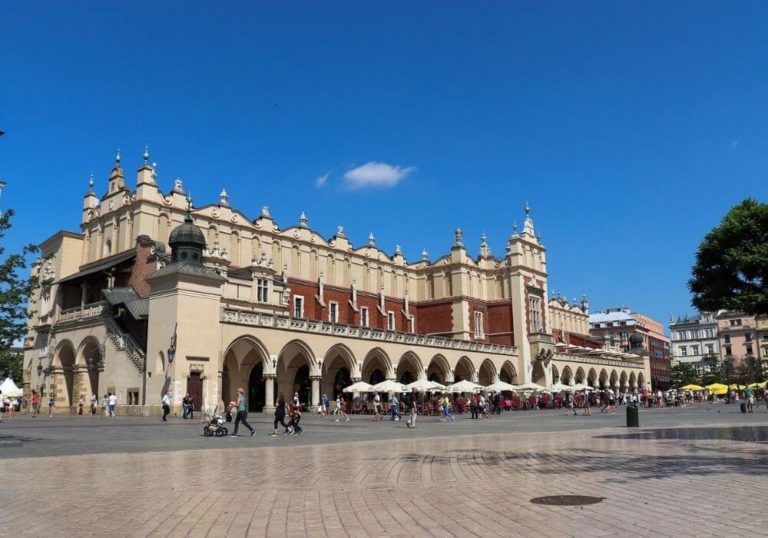
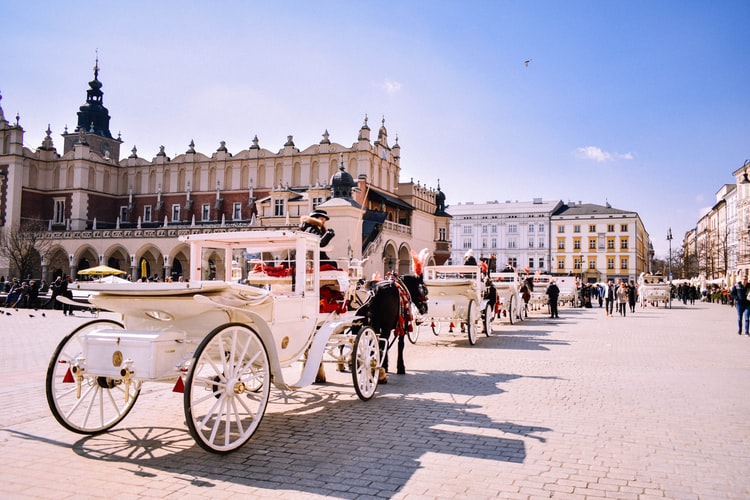
The coats of arms in Kraków’s Cloth Hall: when they appeared, what changed in 1948 and how many there are — plus Cloth Hall history and fun facts.
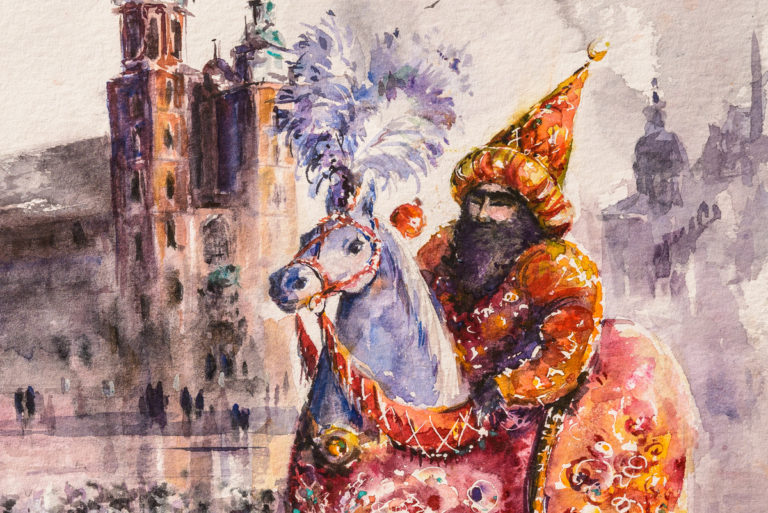
The Lajkonik, a symbol of Kraków: the legend of the raftsmen and the Tatars, the real history of the custom, the procession route (2027: 3 June) and Wyspiański’s costume.
Old Kraków as a centre of the occult sciences: the chair of astrology, the alchemist Michael Sendivogius, Twardowski legends and a trail from Collegium Maius to the Twardowski Rocks.
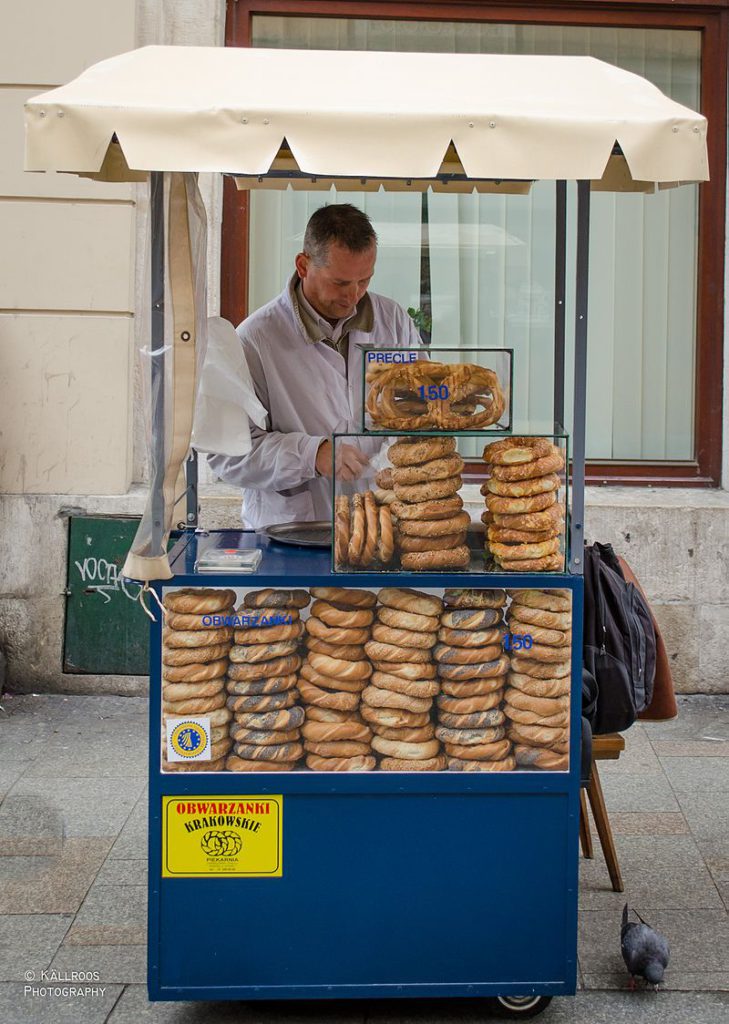
The Kraków dialect in a nutshell: “na pole” instead of “na dwór”, “idźże, bajoku!”, obwarzanek, sznycel, piszinger and words from a Kraków home.
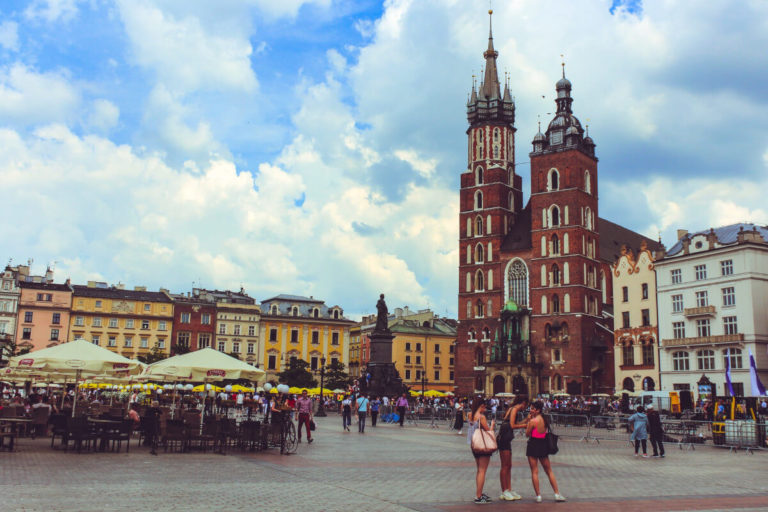
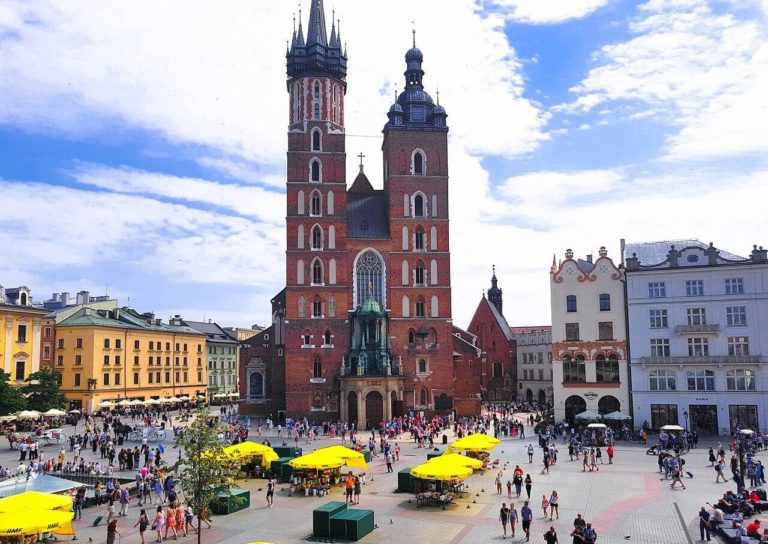
St Mary’s Basilica fun facts: the collapsed vault, the sermon dispute, the Chapel of the Condemned, the kuna, mismatched towers, the hejnał legend and the altarpiece’s war story.
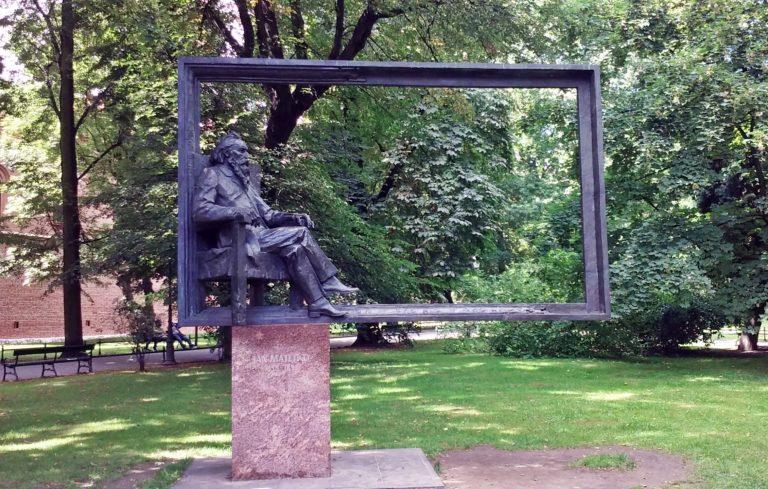
Kraków in the footsteps of Jan Matejko: the Academy of Fine Arts, his house on Floriańska Street, St Mary’s polychrome, paintings in the Cloth Hall and his tomb.
Books set in Kraków: school classics, crime fiction and historical novels, „Kraków pub realism” and literary attractions of the UNESCO City of Literature.
The knife in Kraków’s Cloth Hall: where to find it, the legend of the two brothers who built St Mary’s towers and what historians say about punishing thieves.
The Esterka Mound in Łobzów: the legend of Casimir the Great’s beloved, the 1786 excavation and why the mound vanished from the map of Kraków.