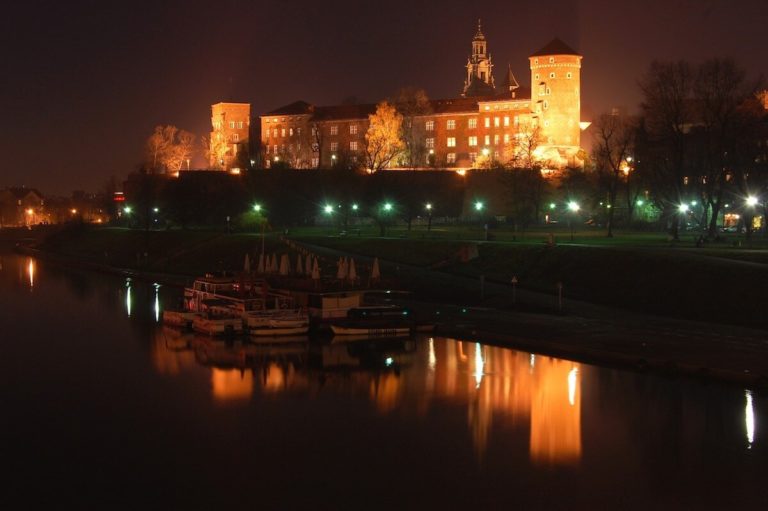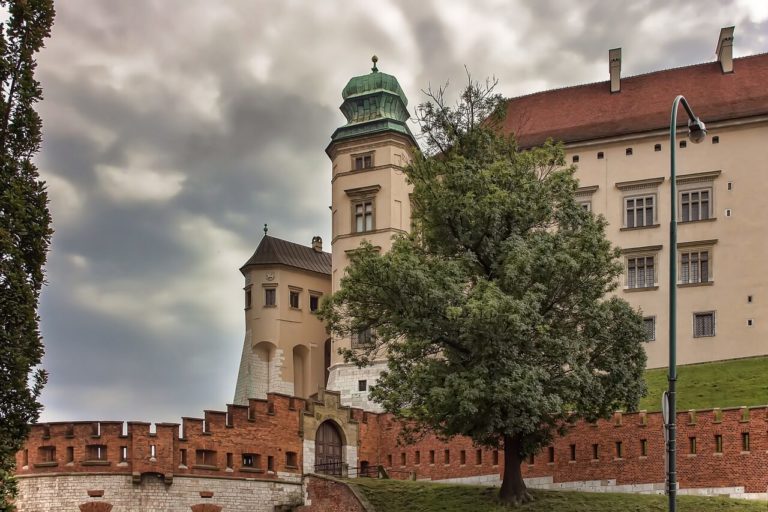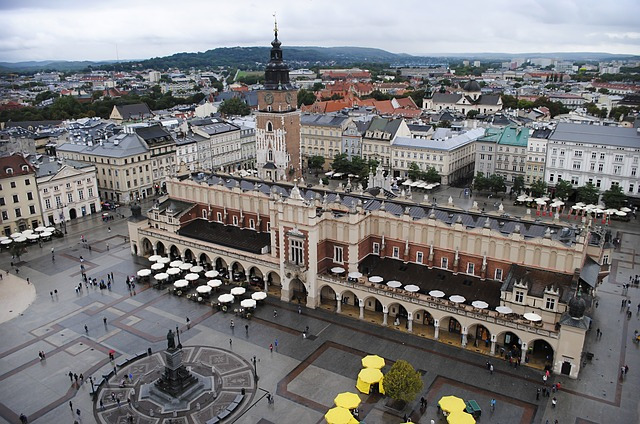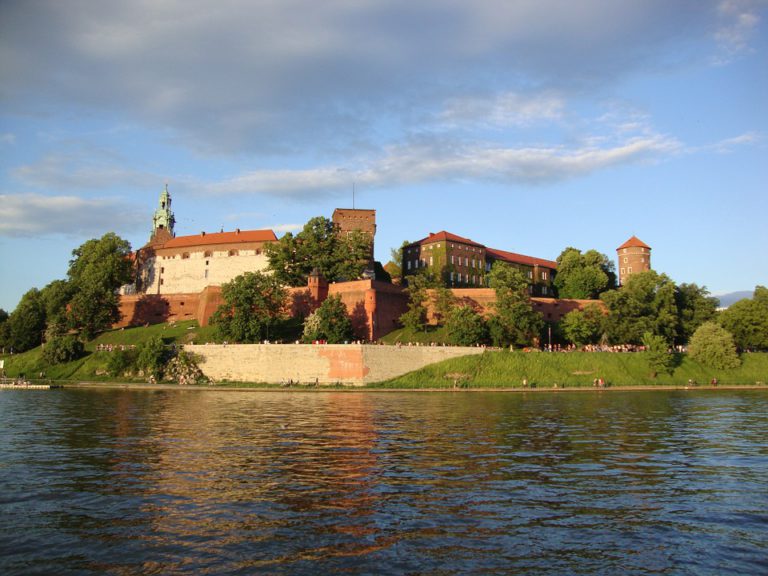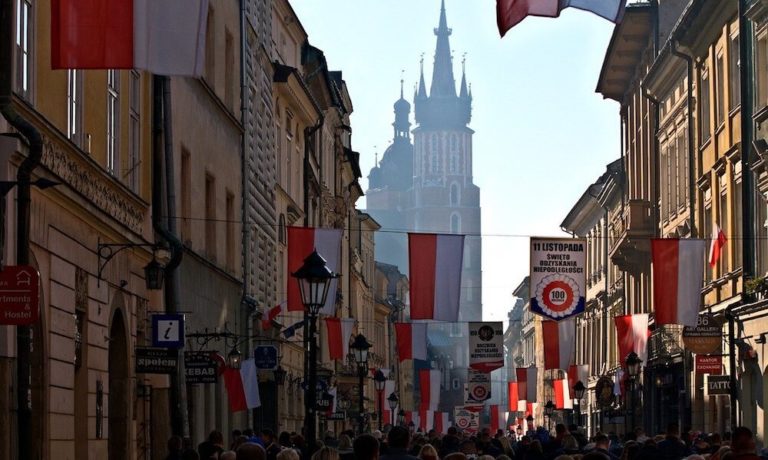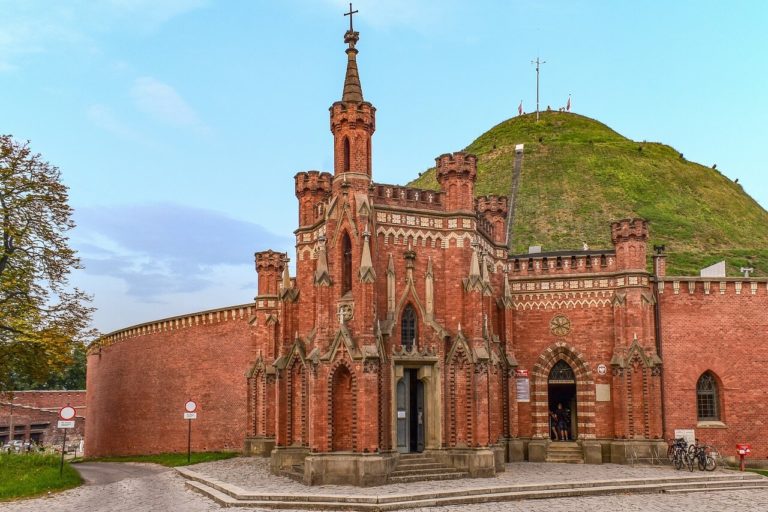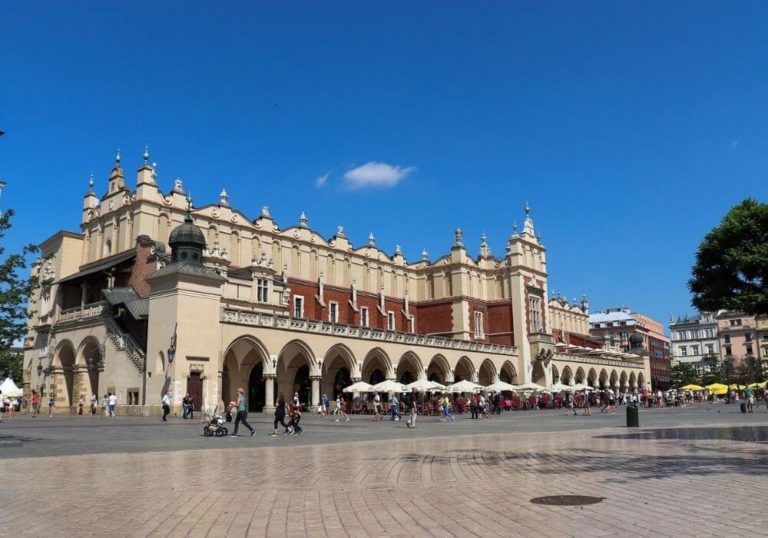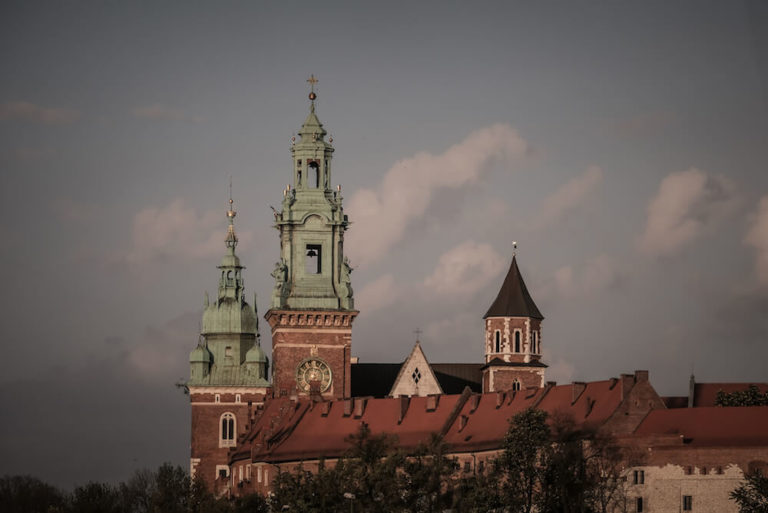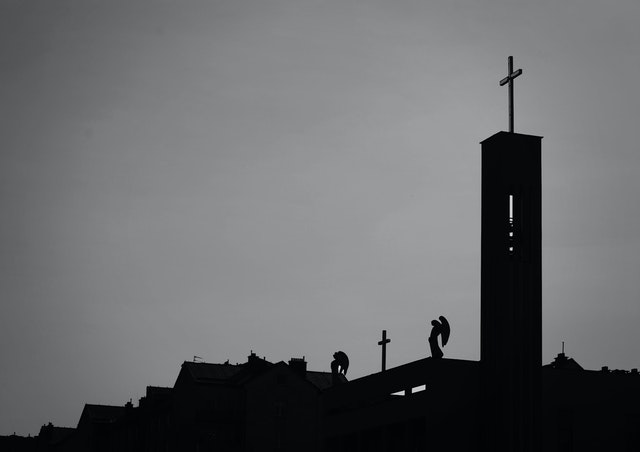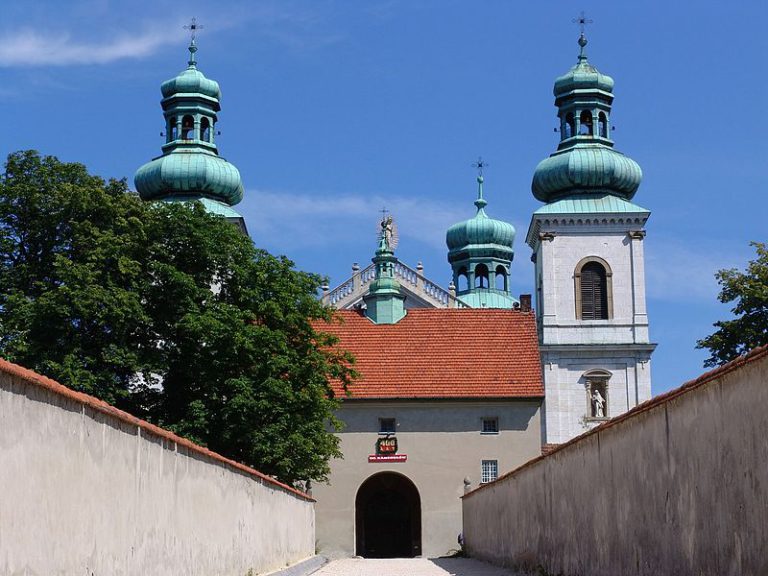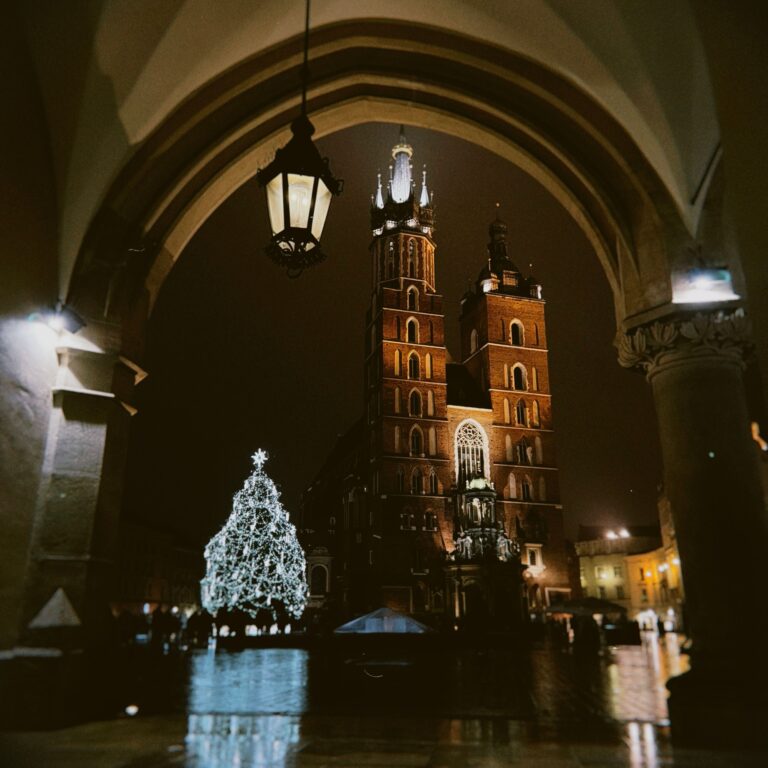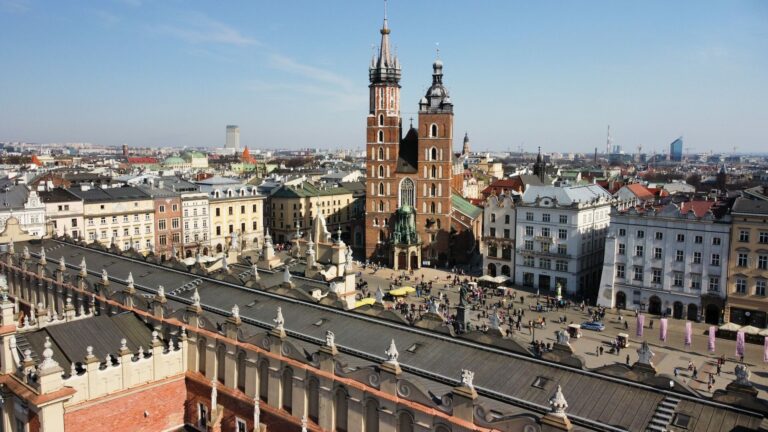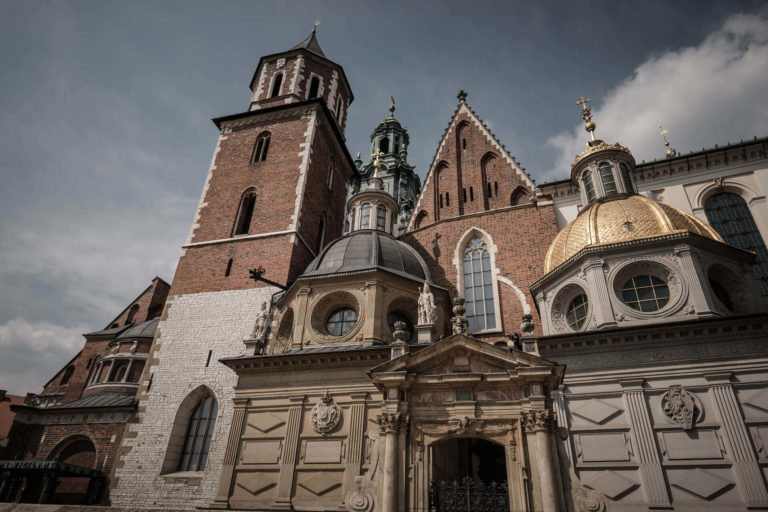
The most beautiful churches in Kraków — a trail through four landmarks
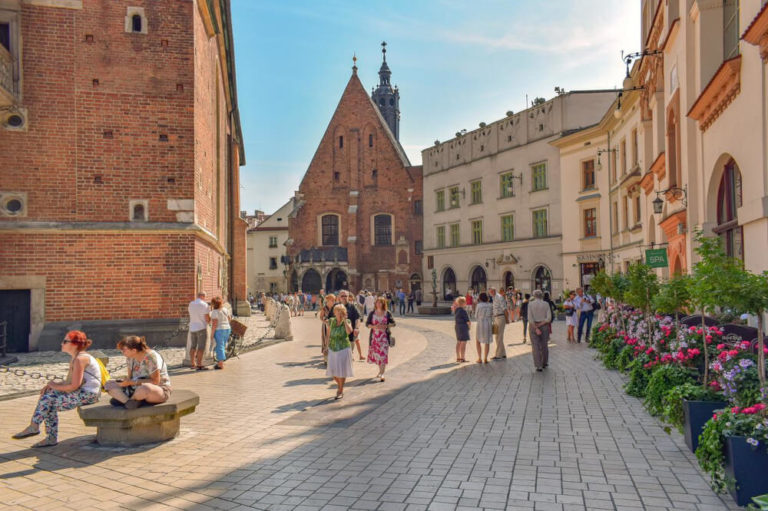
Kraków’s most beautiful churches: St Mary’s Basilica, Wawel Cathedral, and the Dominican and Franciscan basilicas — history, treasures and visiting in 2026.
Read moreWe use cookies: essential ones to run the site and, with your consent, analytics cookies (Google Analytics). Details in our privacy policy (in Polish).
Places, stories and practical tips for visitors to Kraków
Kraków’s most beautiful churches: St Mary’s Basilica, Wawel Cathedral, and the Dominican and Franciscan basilicas — history, treasures and visiting in 2026.
Read moreFires at Wawel: 1305, 1499, 1536, 1595 and 1702 — what burned, the Sendivogius legend and the worst disaster in the castle’s history, caused by Swedish soldiers’ fires.
The curse of Casimir IV Jagiellon: the 1973 opening of the royal tomb at Wawel, a series of sudden deaths and the Aspergillus flavus hypothesis.
Piwnica pod Baranami since 1956: Skrzynecki, Demarczyk, Wodecki, Grechuta, Turnau, Awdiejew and its composers — plus the 70th anniversary in 2026.
The Wawel chakra: where tourists look for the “power stone”, where the legend comes from (1935, “Lotos”) and why the Royal Castle asks visitors not to touch the wall.
Famous people from Kraków: artists, actors, musicians, scientists and athletes born in the city, plus its honorary citizens — from Matejko to Szymborska.
Influencers and musicians linked to Kraków: Friz and Ekipa, the Genzie group, Bletka, Viki Gabor and Kukon — young creators shaping the city’s culture today.
The Okrąglak in Kazimierz: a twelve-sided market hall from 1900 on Plac Nowy, once a poultry slaughterhouse, now Kraków’s zapiekanka capital. History and markets.
The Tatar invasions of Kraków: the burning of the city in 1241, its capture in 1260 and the successful defence of 1287 — plus the hejnał, the Lajkonik and the Maiden Rocks.
Who is buried at Wawel: 17 Polish monarchs from Władysław the Elbow-high to Leszczyński, national heroes, poets and a presidential couple — plus kings buried elsewhere and visiting the crypts.
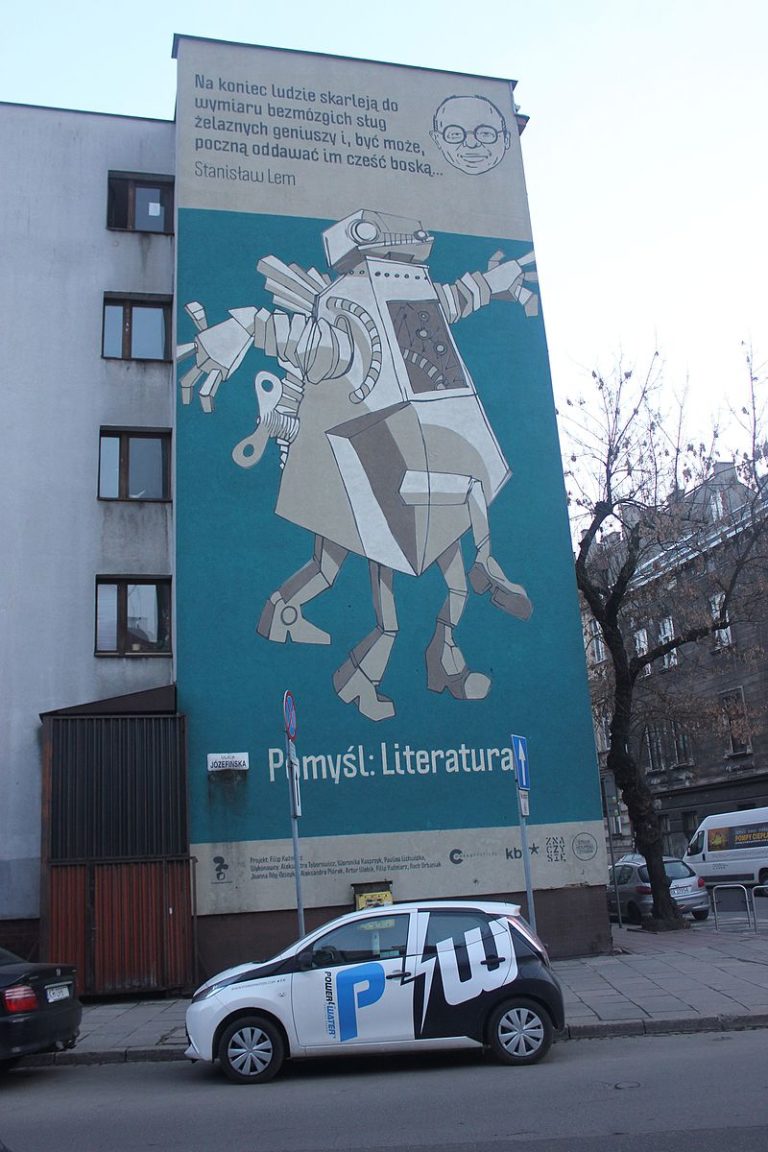
Kraków in the footsteps of Stanisław Lem: Śląska and Bonerowska streets, his house in Kliny, Hotel Forum, Salwator Cemetery, the Garden of Experiences and the “Lem’s Robot” mural.
Day trips from Kraków without a car: Tyniec, Niepołomice, Lanckorona, Ojców, Zator with Energylandia and Tarnów — sights and public transport in 2026.
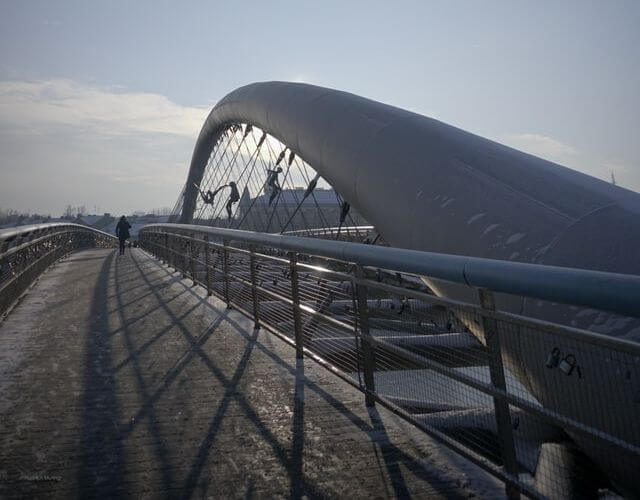
How many bridges does Kraków have? 19 Vistula crossings: 12 road, 3 railway and 4 footbridges, including the new Kazimierz–Ludwinów footbridge (2026). List and history.
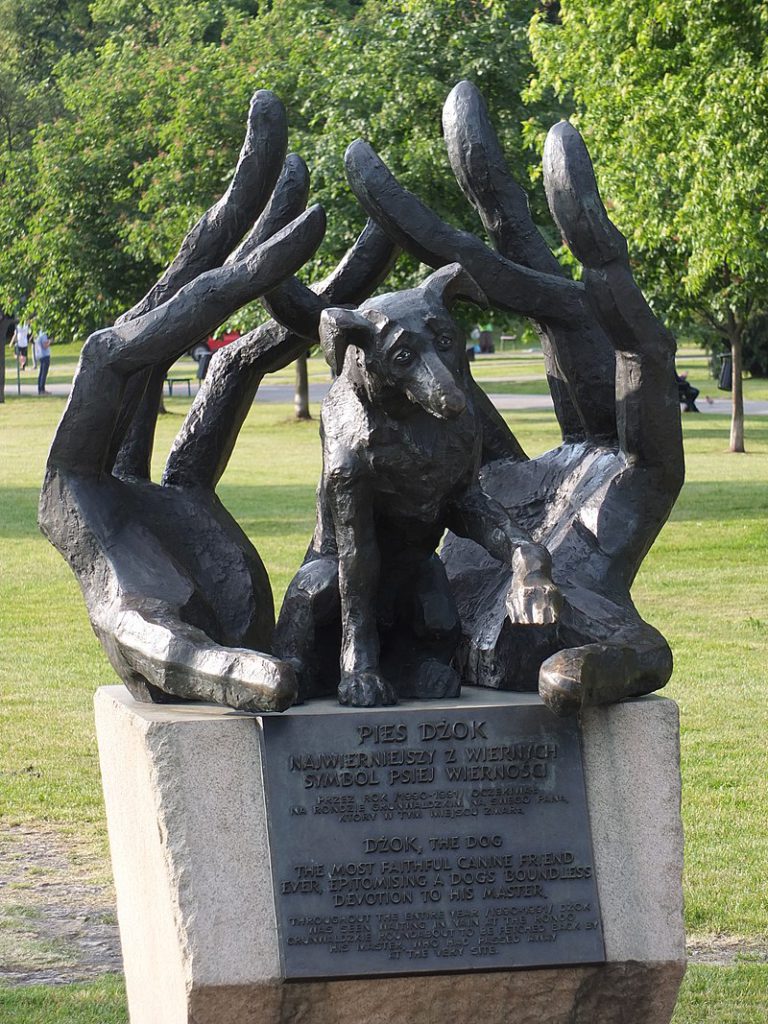
Three Kraków monuments with remarkable stories: Dżok the dog on Czerwieński Boulevard, Wojtek the bear in Jordan Park and the Solidarity Monument in Nowa Huta.
Kraków’s oldest residential building is the house at św. Krzyża 23 from the early 14th century. Where else to find the oldest townhouses — and which is the oldest in Poland.
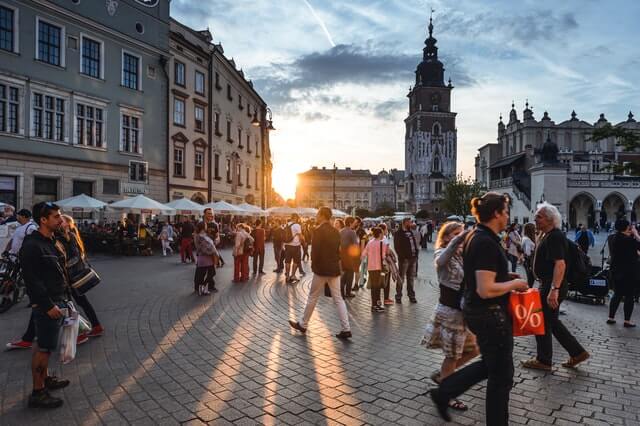
Kraków’s Main Square is roughly a 200 m square — but not a perfect one. Why, how it was laid out in 1257 and how it has changed over the centuries.
Themed cafés in Kraków: Dziórawy Kocioł (Harry Potter), Wilczy Dół Tavern (The Witcher), the cat café, Kolba Resto-Bar and Massolit — addresses and what to expect.
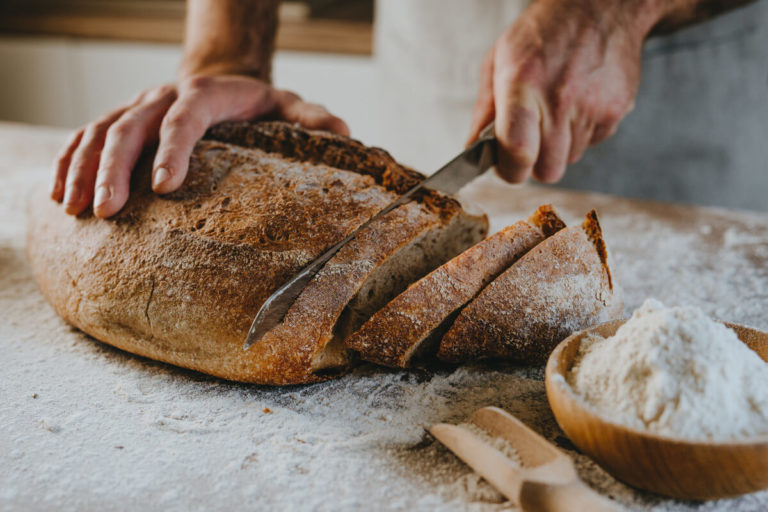
Prądnik bread: a 4.5 or 14 kg rye-sourdough loaf, EU-protected since 2011. Its history since 1421, how to recognise it and where to buy it in Kraków.
Mayors of Kraków since 1989 — a chronological list from Salwa to Gibała, Majchrowski’s record, the 2026 referendum and the history of the office since 1792.
What is maczanka krakowska: a roll with roast pork and caraway gravy. The history of the dish and where to eat maczanka in Kraków in 2026.
The origin of the name Kraków: the oldest records, “Krak’s town” and Kadłubek’s ravens — plus places with similar names, from Czech Krakov to Krakow in the USA.
Rock climbing in Kraków: Zakrzówek, Liban Quarry, Krzemionki and Tyniec — 2026 access rules, climbing gyms and crags in the Kraków Valleys.
Kraków lies between 188 and 383 m above sea level. Where are the city’s highest and lowest points, how high are Wawel and the Old Town, and is Kleparz higher than Podgórze?
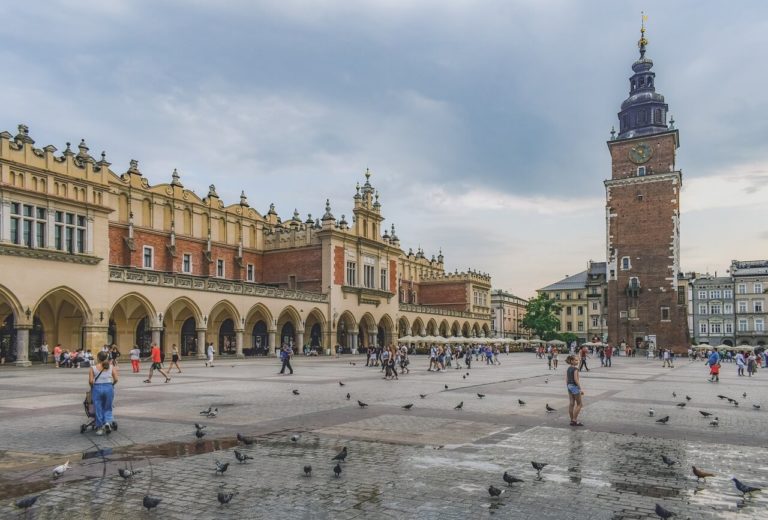
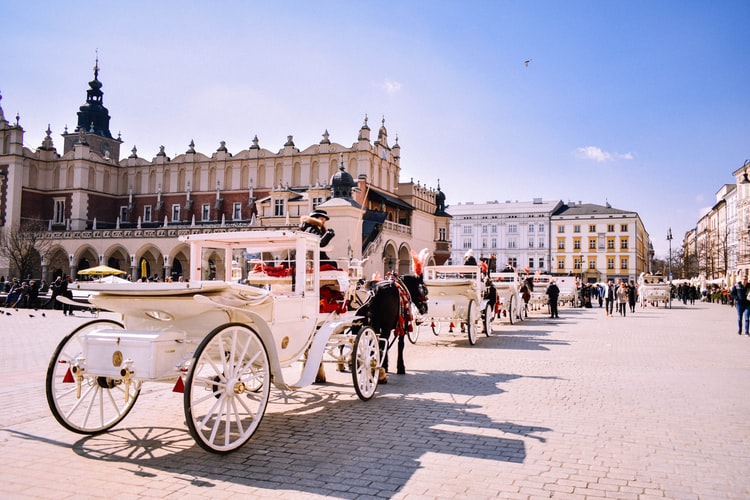
The coats of arms in Kraków’s Cloth Hall: when they appeared, what changed in 1948 and how many there are — plus Cloth Hall history and fun facts.
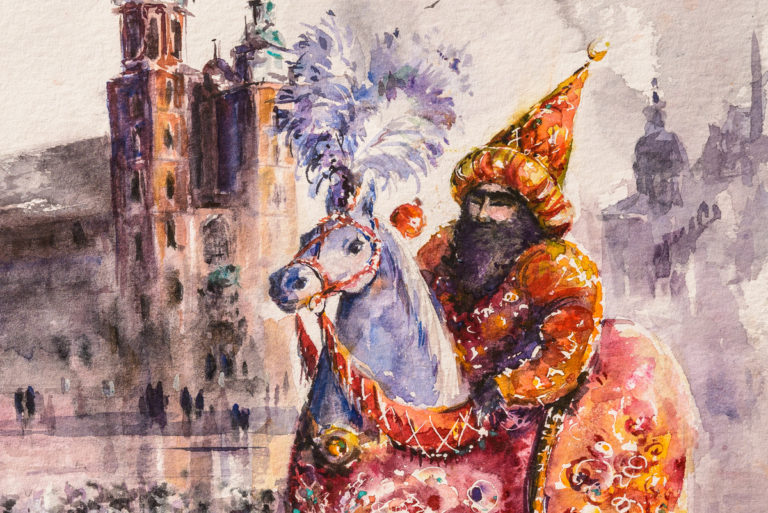
The Lajkonik, a symbol of Kraków: the legend of the raftsmen and the Tatars, the real history of the custom, the procession route (2027: 3 June) and Wyspiański’s costume.
Old Kraków as a centre of the occult sciences: the chair of astrology, the alchemist Michael Sendivogius, Twardowski legends and a trail from Collegium Maius to the Twardowski Rocks.
Day hikes from Kraków: the Maków Beskids (Kudłacze, Lubomir), Mogielica, Przehyba, Three Crowns, Babia Góra and the Tatras — trails, travel times and getting there without a car.
What to do in Kraków with friends: private karaoke, bowling and pool at Hala Centralna, laser tag, cosmic minigolf, go-karts, an escape room and a Vistula cruise.
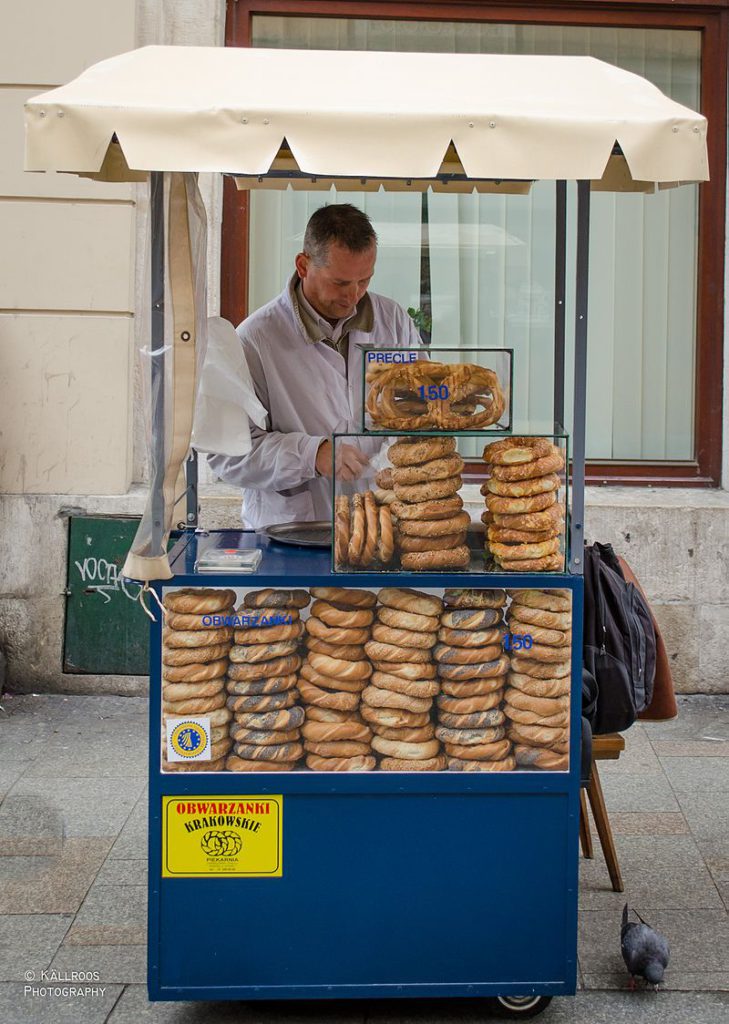
The Kraków dialect in a nutshell: “na pole” instead of “na dwór”, “idźże, bajoku!”, obwarzanek, sznycel, piszinger and words from a Kraków home.
What river flows through Kraków? The Vistula — about 41 km within the city and 19 crossings — plus the Rudawa, Białucha (Prądnik), Dłubnia, Wilga and many streams.
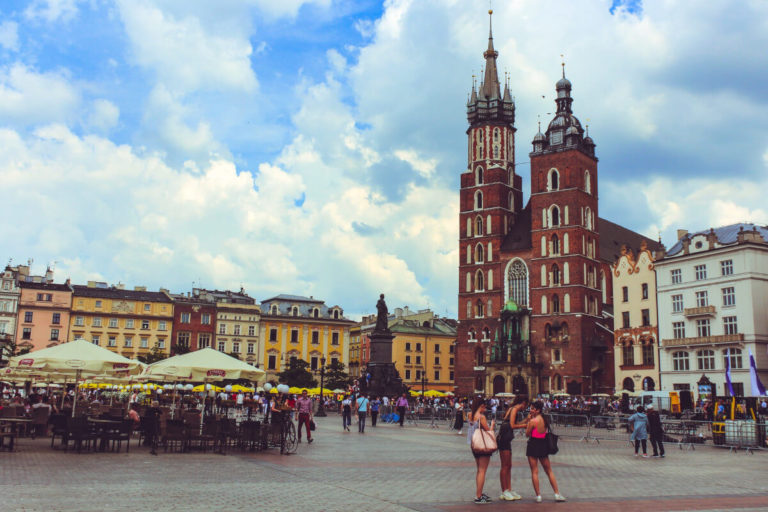
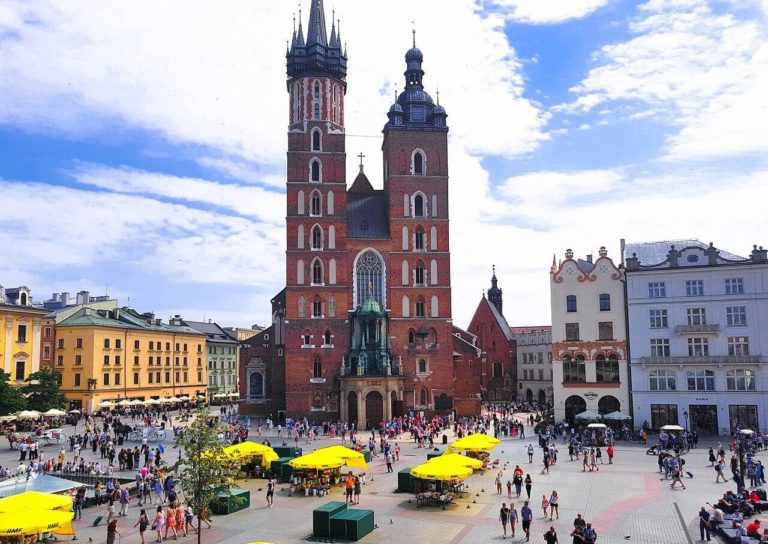
St Mary’s Basilica fun facts: the collapsed vault, the sermon dispute, the Chapel of the Condemned, the kuna, mismatched towers, the hejnał legend and the altarpiece’s war story.
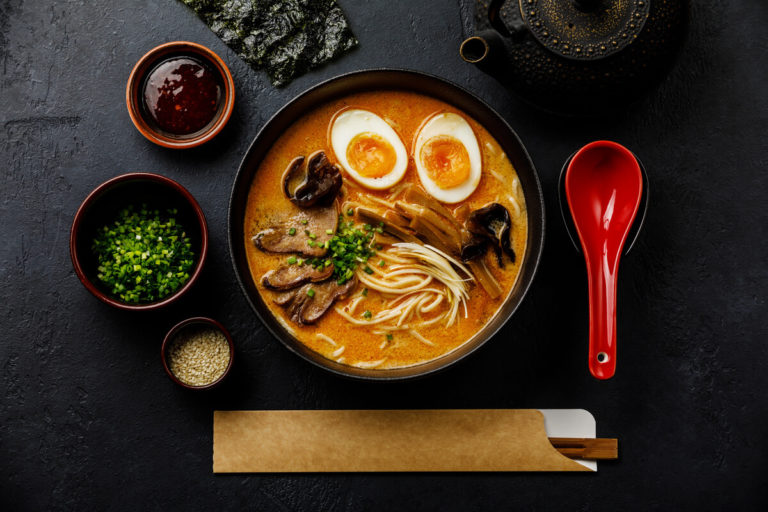
Japanese restaurants in Kraków: Akita Ramen, Ramen People, Kinki Ramen, Doskoi, The Tokio Tower, plus sushi at Edo and Hana — addresses and what to order.
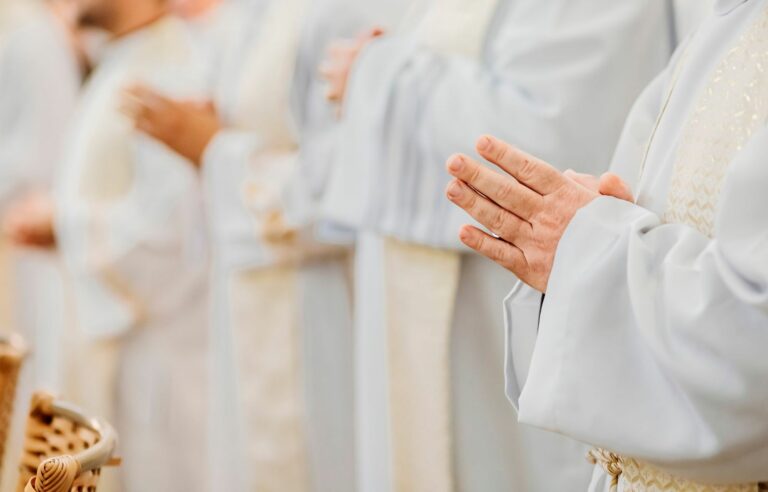
Why do Polish children wear white robes in May? A short guide to First Holy Communion in Poland: what it is, why May, the white albs, gifts, and tips for visitors to Kraków.
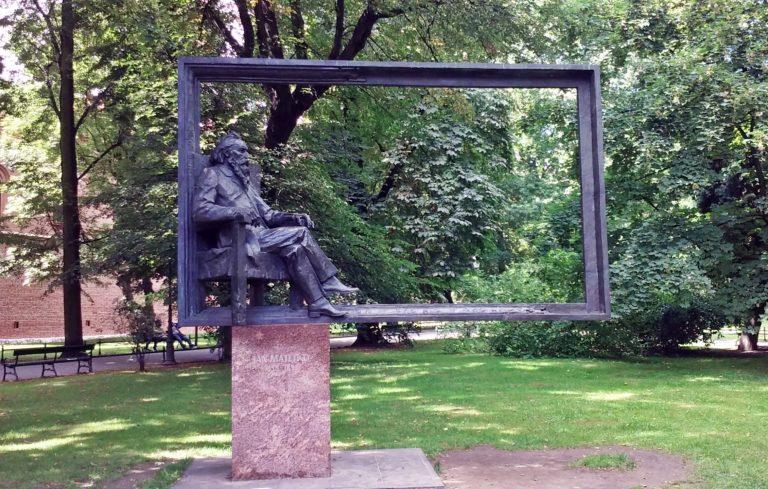
Kraków in the footsteps of Jan Matejko: the Academy of Fine Arts, his house on Floriańska Street, St Mary’s polychrome, paintings in the Cloth Hall and his tomb.
Books set in Kraków: school classics, crime fiction and historical novels, „Kraków pub realism” and literary attractions of the UNESCO City of Literature.
The knife in Kraków’s Cloth Hall: where to find it, the legend of the two brothers who built St Mary’s towers and what historians say about punishing thieves.
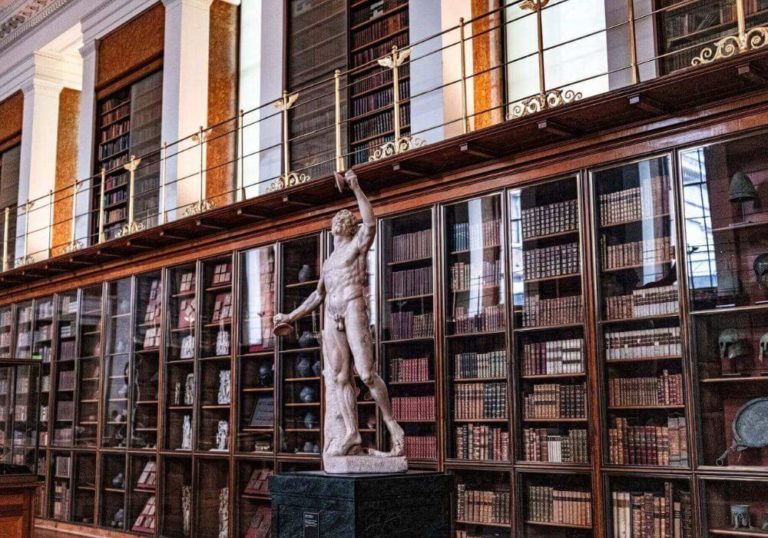
Libraries in Kraków: the Jagiellonian Library, the city library, the Regional Public Library and specialist reading rooms — addresses, opening hours and who can use them.
The Esterka Mound in Łobzów: the legend of Casimir the Great’s beloved, the 1786 excavation and why the mound vanished from the map of Kraków.
Instagrammable cafés in Kraków: five photogenic coffee spots in the Old Town and Kazimierz, checked in October 2026.
The Divine Mercy Sanctuary in Łagiewniki, Kraków: St Faustina’s story, the basilica and the Divine Mercy image, the observation tower, the John Paul II museum and how to get there.
The Camaldolese Monastery in Bielany, Kraków: who the hermit monks are, which days women can visit, what to expect and how to get there from Salwator.
Kraków Christmas Market 2026 on the Main Square: dates, what to buy and eat, when to go, how to get there without a car and where to stay nearby.
December in Kraków with your team: the 2026 Christmas Market, nativity scenes, ice rinks, a guided walk, Rynek Underground and a sample afternoon ending with Christmas dinner.
A Kraków city break without a car: Clean Transport Zone rules, public transport fares from March 2026, getting in from the airport and a ready two-day plan.